


HGH Therapy for Women
The benefits of HGH Therapy are numerous and include:
- Reduces body fat and increases lean muscle mass
- Improves bone strength and density
- Healthier blood cholesterol levels
- Lower blood pressure for a healthier cardiovascular system
- Enhances kidney function for efficient waste elimination
- Faster wound healing
- Increases energy and mental clarity
- Increases libido and improves sexual function
- Boosts immune system
- Improves hair health
- Reduces the appearance of wrinkles
- Enhances skin elasticity, tone, and texture
Hormone Replacement Therapy (HRT) also provides uniquely transformative results, but HGH is a proven and powerful “wonder drug” that’s definitely worth considering.
Do Women Make More HGH Than Men?
Women typically make more HGH than men due to the estrogen hormone. The more estrogen levels in a woman, the higher the growth hormone. This means that when estrogen levels decline significantly in women during menopause, HGH also reaches lower levels.
HGH production is also high during the phases of menstrual cycles in women, where estrogen is highest. Overall, the influence of sex is a significant factor in the levels of growth hormones. Similarly, aging and adiposity are well-recognized factors with HGH in healthy adults.

HGH for Women: Before and After
A prescription for growth hormone deficiency should deliver results specific to your body and good for your health. However, like weight loss supplements or HGH Men supplements, HGH for women injections won’t have the same health effects on every person.
Factors like dosage, reception, and overall health, may influence how HGH injections affect you. But no matter the circumstances, you have much to look forward to regarding health changes that may impact your overall quality of life.
Growth Hormone Levels in Women
The normal growth hormone level for adult women is 1 to 14 ng/mL or 44 to 616 pmol/L. The role of HGH for a woman’s health comes into focus once her HGH level drops below that normal line around middle-age. As women reach the perimenopausal and menopausal years, estrogen, progesterone, and HGH decline significantly.
Women may notice a loss of lean body mass, increased fat around the stomach, trouble sleeping, loss of interest in sex, thin, sagging skin, and low energy. Low levels of HGH are also linked to decreased bone mass and the high incidence of osteoporosis that affects 1 in 5 women.
Growth Hormone Deficiency Testing
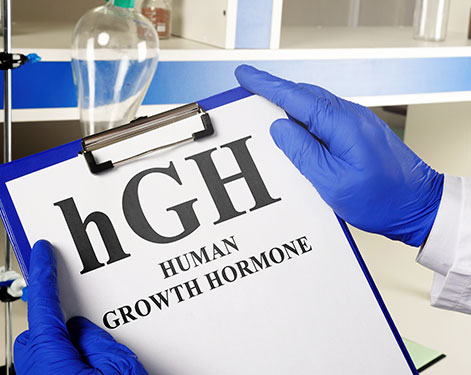
Making a proper diagnosis of age-related growth hormone deficiency starts with taking a complete medical history and doing a physical exam. After that, if your doctor suspects that you might have a growth hormone deficiency, they will schedule one or more blood tests to determine the extent of HGH deficiency.
The blood tests for growth hormone deficiency include:
- Binding protein levels (IGF-I and IGFBP-3) blood tests to show whether the growth problem is caused by the pituitary gland
- Blood tests to measure the amount of growth hormone levels in the blood
- Blood tests to measure other levels of hormones the pituitary gland produces
- GHRH-arginine test
- Growth hormone stimulation test
- Insulin tolerance test
How to Start HGH Therapy
Before we put you on an HGH program, we need to make sure that your human growth hormone levels are actually low. When you contact us, we’ll set up a few lab tests to check your hormones. If we detect an imbalance, we’ll then schedule a meeting with an AAG doctor.
He or she will go over your results, ask you some questions and work with you on a personalized hormone therapy plan. This plan is designed around your schedule and lifestyle to ensure compliance and success. We will do everything in our power to get you the results you want safely and effectively. That’s our promise to you.
Find us here if you need to ask any additional questions for free.