


Testosterone Therapy for Men
Testosterone replacement therapy is a hormone replacement therapy for men to treat hypogonadism or low testosterone levels. Men typically use testosterone therapy for symptoms such as low libido, depressed mood and decreased energy levels.
Why Men Use Testosterone Therapy
Men opt for testosterone replacement therapy to counteract a condition of low testosterone, often referred to as “Low T.” For many men, levels of this hormone decrease with age, leading to erectile dysfunction, low libido, loss of body mass and muscle, anemia and depressive moods.
Men turn to testosterone therapy to increase muscle tone, sexual desire and sexual performance, resulting increased confidence as they grow older.
Benefits of Testosterone Therapy
For many men, the biggest benefit of testosterone therapy is an improved sex drive. But there are other benefits related to muscle growth and body mass, which high-performance athletes and physical trainers acknowledge.
Among the benefits of testosterone therapy are:
- Increased libido: Testosterone enhances sex drive, making it especially popular among for men older than 50.
- Boosted energy level: Testosterone levels decline with age, leading to fatigue and exhaustion. Testosterone therapy can boost energy levels.
- Increased muscle building: Testosterone increases muscle mass beyond the results possible from a typical workout regimen alone.
- Better memory: Higher testosterone levels have been associated with improved recall.
While some men report experiencing benefits shortly after beginning treatment, most studies indicate results take weeks or months.

Risks of Testosterone Therapy
Because it involves a potent hormone, testosterone therapy carries a handful of risk factors. Some are common while others are rare. Not all are serious, but anyone who undergoes therapy should be aware of the potential life-changing side effects.
Common risks of testosterone therapy include:
- Worsening sleep apnea: Some research suggests testosterone therapy can intensify sleep apnea, a disorder in which you temporarily stop breathing while asleep.
- Acne and skin reactions: Some men experience skin breakouts and severe acne after beginning a cycle of testosterone. You can treat these side effects with anti-inflammatory medications or changing the dosage.
- Noncancerous prostate growth: Testosterone therapy has long been linked with enlarged prostates in men, which often affects the ability to empty the bladder successfully. In rare instances, benign prostate growths can lead to more serious issues such as prostate cancer.
- Polycythemia: This is a condition of having too many red blood cells, thickening the blood. If chronic, the condition is called polycythemia vera, or leukemia.
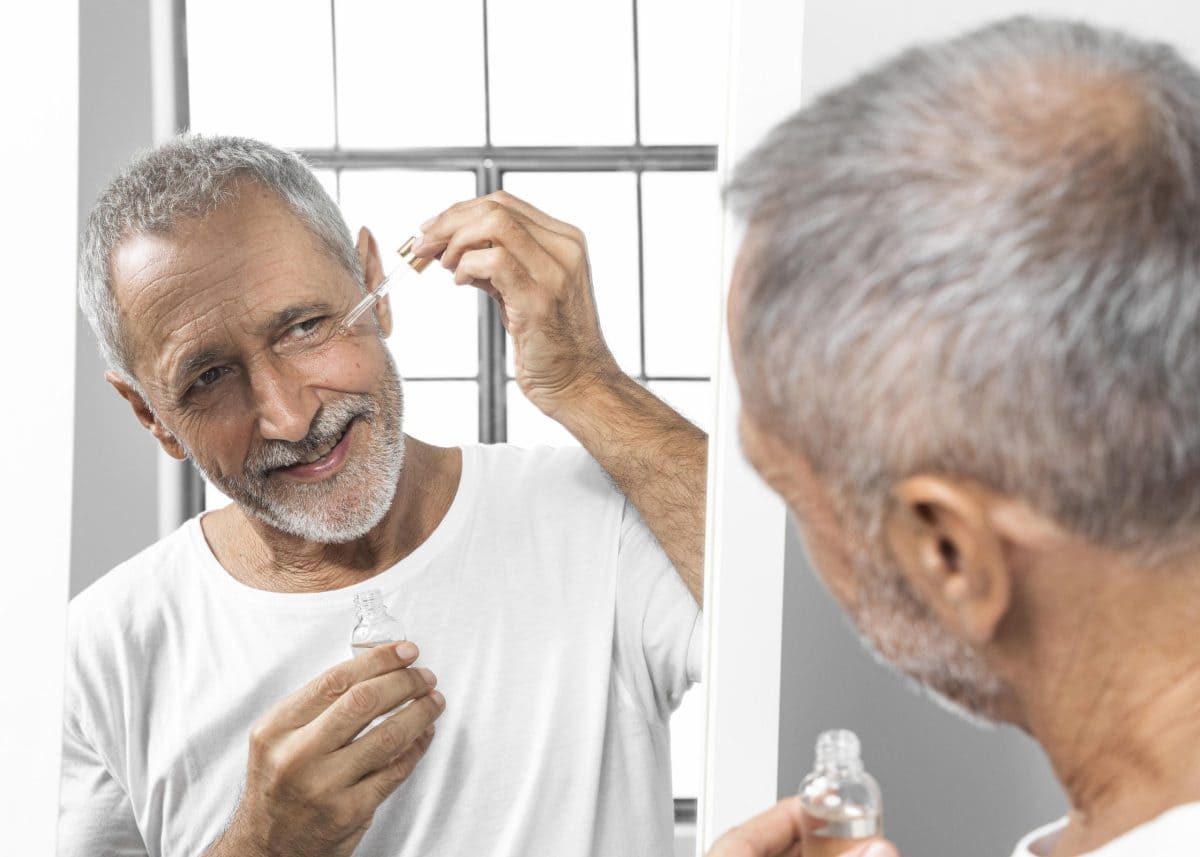
TRT is an extremely effective treatment for many men and can improve a man’s quality of life exponentially, if you think that low testosterone is an issue for you then a testosterone blood test is the best first step to diagnosing this condition.